Antalya Declaration
11th Hydropower for Today Forum | Antalya, Türkiye | 17 November 2026
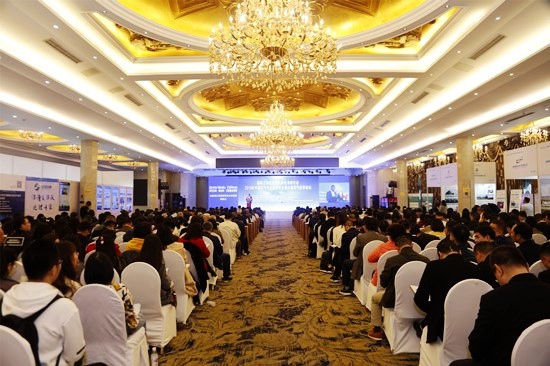
We, representatives of governments, international organizations, academic institutions, the business communities and civil societies attending the 11th Hydropower for Today Forum, gather in Antalya, Türkiye on the occasion of COP31. Following in-depth discussions under the theme of *Resilient and Coordinated Development of Hydropower and New Energy*, we have reached broad consensus and hereby issue this Declaration.
We recognize that:
First, climate change has become a shared global challenge. Frequent extreme climate events exert profound impacts on water resources, energy infrastructure and vulnerable communities. Advancing clean energy transition and enhancing the climate resilience of energy systems are core tasks for implementing the Paris Agreement and advancing the 2030 Agenda for Sustainable Development.
Second, hydropower is one of the most widely deployed renewable energy sources worldwide. With multiple values in power supply, peak shaving and energy storage, it plays an irreplaceable role in safeguarding energy security, supporting renewable energy integration and coping with extreme weather. Small hydropower, with mature technology, proximity to end users and strong livelihood benefits, is an important pathway to improve rural energy access and advance rural sustainable development.
Third, the coordinated development of hydropower and new energy holds the key to balancing the three objectives of energy: security and reliability, cleanliness and low carbon, and economic viability. Basin-wide integrated planning of hydro, solar, wind and storage can significantly improve the flexibility, stability and climate adaptability of energy systems, and provide practical solutions for global energy transition.
Fourth, standards serve as a common language for international energy cooperation. Advancing the international standard system for small hydropower and promoting the alignment and mutual recognition of technical standards and management norms across countries can effectively reduce cooperation costs, remove technical barriers, and facilitate the sharing and diffusion of technology, equipment and managerial expertise.
Fifth, global energy transition must be inclusive, beneficial to all and just. Many developing countries still face challenges such as insufficient energy access, weak climate adaptation capacity and high financing costs. It is an important foundation for advancing collective global action by deepening South-South and triangular cooperation, as well as sharing proven experience and appropriate technologies.
We call for the following:
1. Build climate-resilient energy systems. We will integrate climate risk assessment, hydrological forecasting, adaptive operation and emergency preparedness into the full management circle of hydropower and new energy, and improve the resilience of energy infrastructure against extreme climate events.
2. Promote sustainable hydropower development. Under the premise of ecological and environmental priority, we support the sound and orderly development and green upgrading of small hydropower, safeguard river ecosystem health and biodiversity, and balance community interests and livelihood benefits.
3. Accelerate multi-energy synergy and technological innovation. We encourage context-specific integrated development of hydropower with solar, wind, energy storage and green hydrogen, to improve system flexibility and resource efficiency, and promote the application of digital and intelligent technologies in the hydropower sector.
4. Deepen standards cooperation and capacity building. We will strengthen the development and promotion of international standards for small hydropower, and promote the alignment and mutual recognition of national standards. Technical training and talent development will be carried out for developing countries to enhance local sector capacity and governance.
5. Mobilize equitable investment and multi-stakeholder partnerships. We will channel green finance and climate funds into hydropower and new energy, and lower financing costs for developing countries. We encourage governments, international organizations, enterprises, research institutions and civil society to work together and build a participatory, mutually beneficial cooperation landscape.
Starting from this Forum, we will continue to translate consensus into action and vision into projects through practical vehicles such as the Initiative on Climate Resilience and Standards Synergy for Hydropower and New Energy. We look forward to working with all parties to advance the resilient and coordinated development of hydropower and new energy, and contribute to global climate governance and sustainable development.
Source: International Center on Small Hydro Power